


-

Add: HeBei ShengShi HongBang Cellulose Technology CO.,LTD.
-

Email
13180486930@163.com -

CONTACT US
+86 13180486930
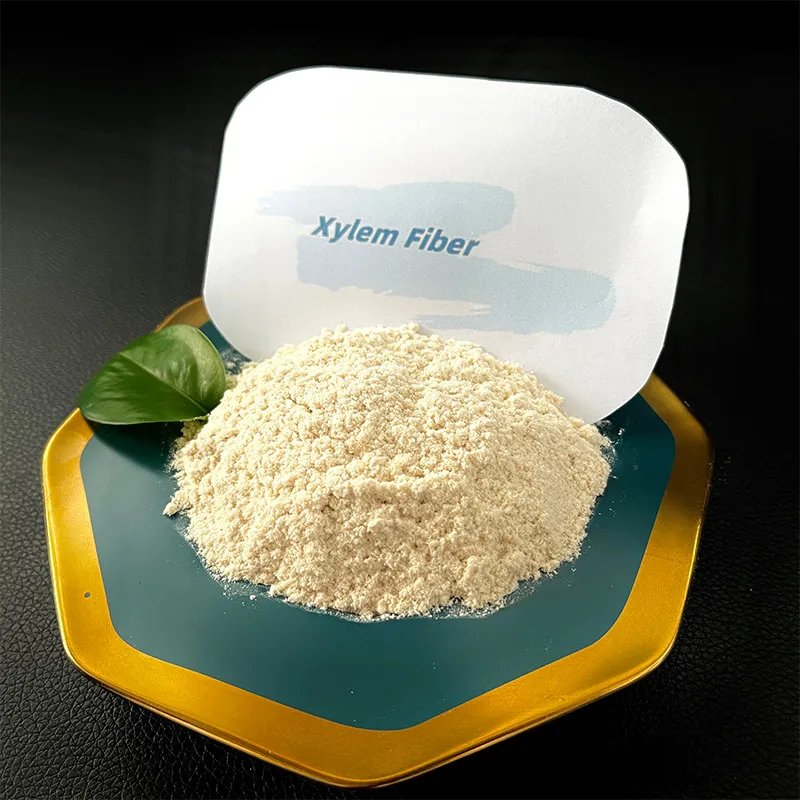
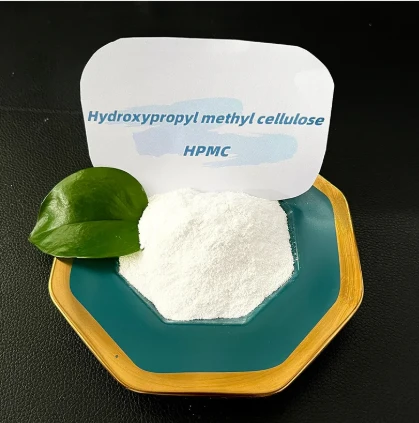




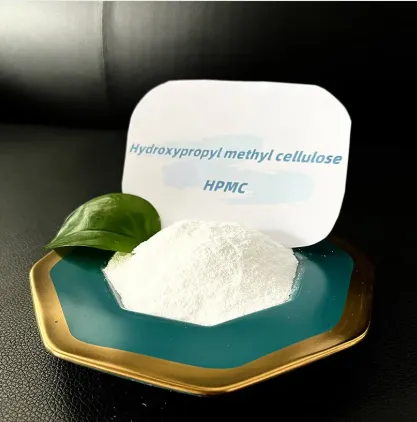
The world of construction and industrial materials is constantly evolving, and the demand for innovative and effective products is at an all-time high. One product that has gained significant attention in recent years is Hydroxypropyl Methylcellulose (HPMC) from China. This versatile compound has revolutionized various sectors due to its unique properties and uses. For anyone keenly exploring construction additives or seeking to optimize their industrial processes, understanding China HPMC offers a gateway to improved performance and efficiency. China, as a global leader in industrial manufacturing, has honed its expertise in producing HPMC of exceptional quality. This cellulose derivative is indispensable in the construction industry, particularly in products like tile adhesives, self-leveling compounds, and wall putties. Professionals in the field recognize the critical role HPMC plays in modifying the rheology of these materials, enhancing their workability, and ensuring optimal adhesion properties. Experts acknowledge that the evolution of construction demands materials that can withstand diverse environmental conditions while maintaining structural integrity. China HPMC stands out for its ability to provide thermal stability and water retention, characteristics highly sought after in modern construction demands. These properties help prevent shrinkage and cracking in dry conditions, saving developers and contractors both time and money in repairs and replacements. This HPMC’s reliability makes it a trusted choice for professionals worldwide who prioritize longevity and quality in their projects. Beyond construction, China HPMC's applications extend into various industries, such as pharmaceuticals, food production, and cosmetics. Its versatility is a testament to China's authority in manufacturing products that meet stringent international standards. In pharmaceuticals, for instance, HPMC serves as a critical excipient in controlled-release formulations, guaranteeing the effective delivery of active ingredients. Its safety and efficacy have been validated by authoritative health agencies, further emphasizing China’s commitment to upholding high standards in HPMC production. china hpmc Experience in using China HPMC highlights its unparalleled benefits . Manufacturers praise its consistent performance and quality, a result of China's rigorous production methods. This experience is shared by industry leaders who, through continual use, have come to trust China HPMC’s capabilities in enhancing product characteristics and overall outcomes. The transparency with which Chinese manufacturers operate, alongside their commitment to innovation, ensures consumer confidence and trustworthiness. From an expertise standpoint, China has invested significantly in technology and research to make HPMC a product that not only meets but exceeds global expectations. This investment is reflected in the customization offered in HPMC formulations tailored for specific industrial applications. Such expert control and modification allow companies to fine-tune their products to better align with market demands and consumer needs, delivering heightened satisfaction and maintaining competitive advantage. Trust in China HPMC is not merely built on product quality but also on the sustainability practices upheld in its production. Staying true to eco-conscious methods, China’s HPMC production processes aim to minimize environmental impact, aligning with increasingly stringent global environmental standards. This responsible approach ensures that China not only leads in innovation but also in sustainable industrial practices, reinforcing the global trust placed in its products. In conclusion, China HPMC is more than just a product; it is a symbol of modern industrial advancement and expertise. The compelling combination of experience, expertise, authority, and trustworthiness makes this compound an indispensable asset across various sectors. For industry professionals, choosing China HPMC is choosing a path of reliability, quality, and sustainability—a choice that’s supported by years of proven success and continuous innovation.
- 40000tons

Production
- 20+years

Experience
- 5000+㎡

Acreage

-
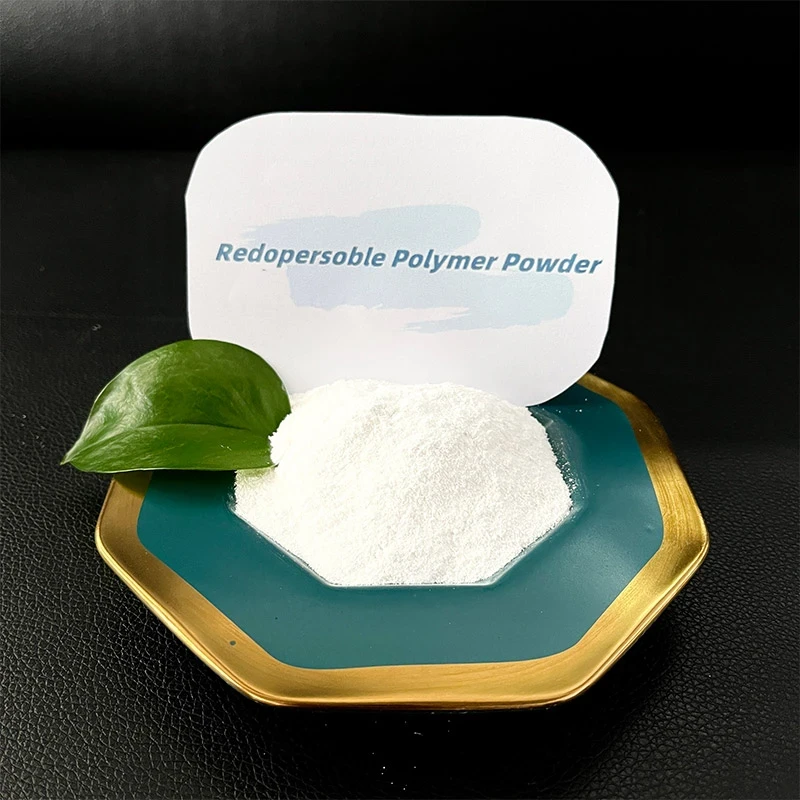
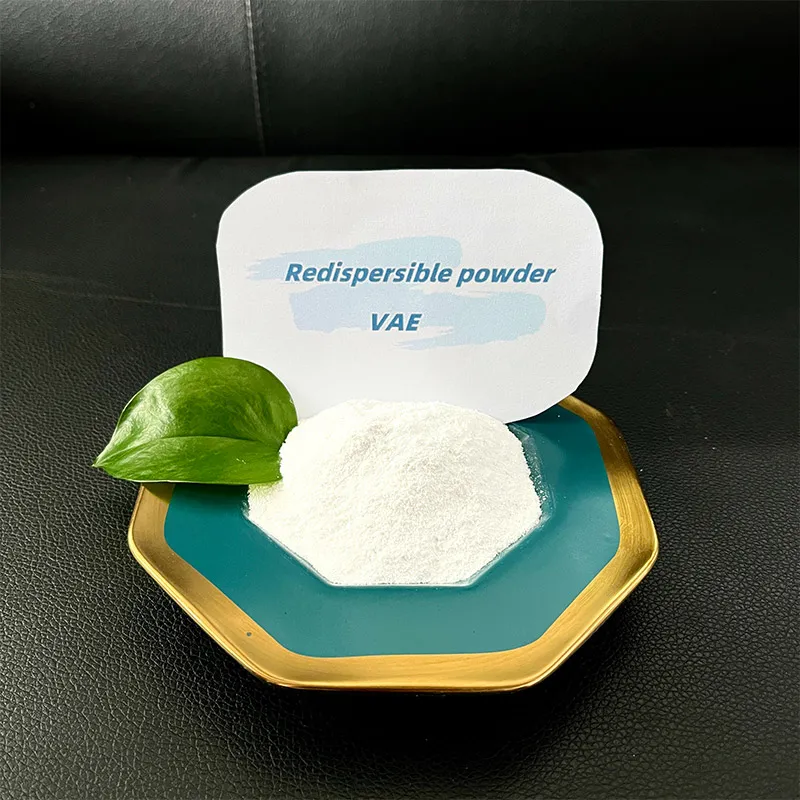
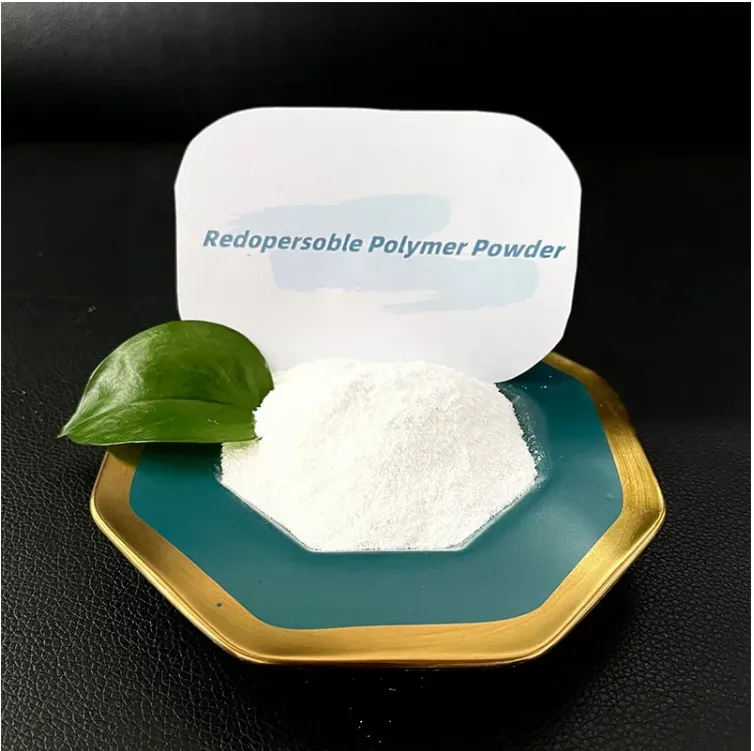
Company Overview HeBei ShengShi HongBang Cellulose Technology CO.,LTD. Visit Official Website Tel: +86 13180486930 Mobile: +86 13180486930 Email: 13180486930@163.com Address: HeBei ShengShi HongBang Cellulose Technology CO.,LTDRoom 1904, Building B, Wanda Office Building, JiaoYu Road, Xinji City, Hebei Province Product Details Product Name: Redispersible powder VAE Product Overview: Re-dispersible polymer powder products are a significant innovation in the realm of construction and industrial applications, offering versatile solutions due to their unique properties and capabilities. Product URL: https://www.sshbhpmc.com/redispersible-powder-vae.html Introduction to Redispersible Emulsion Powder and Its Industrial Importance Redispersible emulsion powder is a specialized additive manufactured from synthetic resin polymers, commonly VAE (Vinyl Acetate-Ethylene) copolymers. This advanced material is primarily designed to enhance flexibility, adhesion, water resistance, and workability in a variety of applications, especially within the construction sector. As a fine free-flowing powder, redispersible emulsion powder is produced by spray drying polymer emulsions with protective colloids. Upon contact with water, the powder re-disperses rapidly into a stable emulsion, restoring its original properties and integrating seamlessly into cement, mortar, and gypsum-based systems. According to the ScienceDirect Redispersible Polymer Powder Overview , “Redispersible powders are indispensable in drymix mortars, offering enhanced bonding strength and flexibility while improving end-user convenience.” With modernization and rising quality requirements in new buildings, renovations, and prefabricated components, redispersible latex powder and related products like polymer powder have seen a steady upward trend in demand worldwide. Industry Trends: Market Growth and Application Prospects The redispersible emulsion powder market is witnessing robust growth thanks to its rising utilization in: Durable tile adhesives High-flexibility wall putties and plasters Self-leveling flooring compounds External insulation & finishing systems (EIFS) Waterproofing membranes and hydro-insulation layers Gypsum-based renderings and repair mortars Flexible cementitious grouts According to Mordor Intelligence , the global redispersible powder market is expected to surpass USD 3.5 billion by 2027, driven by mega construction projects, sustainable building practices, and rapid infrastructure development in Asia-Pacific, Middle East, and Latin America. Key Chemical and Technical Parameters Table Parameter Typical Value (VAE Type) Significance Appearance White, free-flowing powder Ensures ease of drymix blending Solid Content (%) ≥98.0 Indicates quality, performance reliability Particle Size (µm) 80–150 Impacts dispersibility in mixes pH Value 5.0–8.0 Compatible with cementitious systems Polymer Base VAE (Vinyl Acetate-Ethylene Copolymer) Delivers desired flexibility and strength Minimum Film Forming Temperature (°C) 0–5 Enables application in various climates Redispersibility (%) ≥95.0 Assures rapid, thorough reactivation in water Protective Colloid Polyvinyl alcohol (PVA) / Cellulose ethers Affects stability and shelf-life Bulk Density (g/L) 400–600 Facilitates volumetric dosing Technical Parameter Trends ( Redispersible Emulsion Powder ) VAE Redispersible Powder: Application Scenarios and Value Proposition VAE redispersible powder , such as the "Redispersible powder VAE" by HeBei ShengShi HongBang Cellulose Technology, is essential in: Tile adhesives & grouts – ensures powerful bonding, improved slip resistance, and flexibility. EIFS/ETICS – critical for weather resistance and crack bridging in insulation systems. Self-leveling screeds – imparts smooth application, shrinkage control, and higher durability. Gypsum plasters – upgrades their strength and surface cohesion. Waterproofing mortars – improves adhesion and abrasion resistance in wet areas. Repair mortars – boosts structure repair with excellent adhesion and flexibility. Innovative product engineering and the continuous improvement in VAE polymerization, as highlighted in ResearchGate studies , have broadened the versatility and market reach of redispersible powders in construction and industrial fields. Comparison & Visualization of Redispersible Powder VAE Technical Indicators The graphs above present a comprehensive view of redispersible powder VAE technical characteristics, confirming reliability and optimal performance for advanced construction chemistry. FAQ: Professional FAQ about Redispersible Emulsion Powder (VAE Type) 1. What is Redispersible Emulsion Powder made of? Primarily synthesized from VAE (Vinyl Acetate-Ethylene) copolymers , combined with protective colloids such as PVA and cellulose ethers, ensuring stability and easy re-dispersion. 2. What are the available grades/specs for construction applications? Different grades depend on polymer composition and particle size; e.g., grades with varying ethylene/VAc ratios, solid content (≥98%), and minimum film forming temperature for climate adaptability. 3. What installation standards are supported? Redispersible emulsion powders conform to standards like ASTM C472, EN 12004 (Tile Adhesives), and ASTM C91 (Masonry Mortars), ensuring compliance with both local and international regulations. 4. How does redispersible powder improve final mortar properties? It enhances flexibility, tensile strength, water resistance, workability, adhesion , and crack resistance—making mortars more durable and reliable under varying site conditions. 5. Are there environmental or safety certifications? Yes. Major polymer powder producers like SSHB hold ISO9001, ISO14001 certifications, and raw materials meet REACH & RoHS directives for environmental safety. 6. Can redispersible latex powder be stored long-term? What are best practices? Absolutely. Store below 30°C in a dry, sealed condition, avoid direct sunlight, and use moisture-resistant packaging. Standard shelf life is 12–24 months. 7. How does VAE compare with other polymer base options? VAE offers superior flexibility and workability at an economical cost, whereas acrylic-based powders focus on higher water resistance but at increased cost. Why Choose HeBei ShengShi HongBang Cellulose Technology CO.,LTD.? Expertise: Over a decade producing redispersible emulsion powder for clients across five continents, serving both generic and customized OEM/ODM requests. Authoritativeness: Renowned technical R&D team and laboratory, cited by forums like ChemLinked . Trustworthiness: Strict quality control, traceable raw materials, and robust logistics management support global projects reliably. “The integration of VAE-based redispersible emulsion powders in high-performance mortars continues to reshape the construction chemistry landscape.”— Journal of Cleaner Production References & Industry Citations For additional technical insights, market data, and scholarly analysis on redispersible emulsion powder and redispersible powder VAE , consult: ScienceDirect – Redispersible Polymer Powder ResearchGate – Application of Redispersible Polymer Powder in Mortar Mordor Intelligence – Market Report ChemLinked – Market Analysis Journal of Cleaner Production To order redispersible emulsion powder , customized VAE grades, or to consult with our experts, please contact HeBei ShengShi HongBang Cellulose Technology CO.,LTD. by email at 13180486930@163.com or call +86 13180486930 .
-

Hydroxypropyl methylcellulose (HPMC), a versatile pharmaceutical excipient, plays a crucial role in the formulation of tablets. Its unique properties not only aid in the manufacturing process but also enhance the quality and efficacy of the final product. As an authoritative entity in the pharmaceutical industry, my aim is to shed light on the significance of HPMC in tablet production, through personal experiences, professional insights, and a genuine understanding of its pivotal role. Tablets remain one of the most preferred dosage forms due to their convenience and the ability to deliver precise dosages. The quest for a successful tablet formulation hinges on the selection of appropriate excipients, among which HPMC stands out due to its multifunctional capabilities. Having spent over a decade in pharmaceutical development, the adoption of HPMC marked a turning point in the way tablet formulations were approached. HPMC is primarily used as a binder, film former, and controlled release agent—functions that are indispensable in tablet formulation. Its molecular structure, characterized by methoxyl and hydroxypropyl groups, allows it to exhibit hydrophilicity and gel-forming properties. This ensures that tablets aren't just mechanically robust but also capable of precise drug release profiles. From an expertise standpoint, one of the key challenges in tablet production is ensuring that tablets disintegrate and dissolve at the desired rate. The gel layer formed by HPMC on contacting aqueous environments effectively modulates drug release. In numerous formulations I've overseen, HPMC has been instrumental in developing sustained-release tablets, ensuring the therapeutic agent is released over an extended period. This not only improves patient compliance by reducing dosing frequency but also enhances the therapeutic effectiveness of the drug. Moreover, HPMC also serves as an excellent film-forming agent. In a project involving enteric-coated tablets, the inherent film-forming capabilities of HPMC were harnessed to ensure the active ingredient was only released in the intestine, bypassing the acidic environment of the stomach. This protective measure helps in preserving the integrity of the drug substance, especially for acid-sensitive compounds. hpmc used in tablet The expertise required in understanding the rheological properties of HPMC solutions is paramount for manufacturing high-quality tablets. Through my professional journey, the methodical optimization of HPMC concentration facilitated the production of tablets with desired mechanical strength and disintegration properties. Such adjustments ensure that the tablets don't break or crumble under pressure, yet dissolve at the appropriate rate once ingested. When formulated correctly, tablets using HPMC have consistently demonstrated high bioavailability. Through various bioequivalence studies, HPMC's role in ensuring consistent plasma concentrations of the drug has been validated. This directly attests to the trustworthiness and reliability of HPMC as a superior pharmaceutical excipient. In a regulated industry like pharmaceuticals, the authoritativeness of excipient selection cannot be overstated. Regulatory bodies such as the US FDA and European Medicines Agency frequently demand excipients with a proven record of safety and efficacy. HPMC, with its extensive clinical use and established safety profile, fulfills this criterion perfectly. In numerous regulatory submissions throughout my career, the inclusion of HPMC has never posed significant challenges, underscoring its acceptance and reliability. Lastly, my experience also highlights the scalability offered by HPMC in tablet manufacturing . As demand increases, the transition from pilot-scale batches to full-scale production remains seamless with HPMC. Its consistent performance across different manufacturing scales ensures reproducibility and uniformity—critical factors that define the quality of pharmaceutical products. In conclusion, Hydroxypropyl methylcellulose is more than just an excipient. It is a cornerstone in the development of effective, reliable, and high-quality tablets. Through its multifunctional properties and reputable track record, HPMC emerges as a vital component in pharmaceutical formulations, driving advancements in drug delivery and therapeutic efficacy. Its use not only embodies expertise and authority but also promises a level of safety and trust that is indispensable in the health sector.
advantages
-

200000 Viscosities
Excellent product
We can produce pure products up to 200,000 viscosities
-

40000 tons
High yield
We don’t stop production all year round, and the annual output can reach 40,000 tons
-

24 hours
Quality service
We provide 24-hours online reception service, welcome to consult at any time
———— Inquiry Form
Schedule A services

-
 apa_itu_selulosa_kayu
Oct . 25, 2025
Understanding the Properties of Hydroxypropyl Methylcellulose Hydroxypropyl methylcellulose (HPMC) i -
 hpmc_wine
Oct . 25, 2025
The enduring performance of rubber powder in building materials stems from its inherent molecular st -
 wood_and_cellulosic_chemistry
Oct . 25, 2025
Hydroxypropyl Methylcellulose (HPMC) is a versatile compound with extensive applications across vari


